How to Shut Off Your Main Water Valve in a Littleton Home
A standard half inch pipe pushes 6 gallons per minute. That is 360 gallons in an hour. Here is how to find and shut your main valve fast.
Read ArticleReal plumbing advice from a local Littleton crew. No fluff, no sales pitches. Just straight answers to the questions Littleton homeowners actually ask.
Five in-depth guides written for Littleton homeowners by the crew that actually shows up when the pipe breaks.
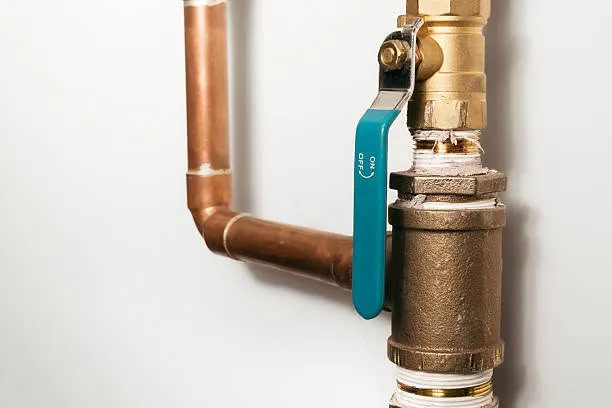 Emergency Basics
A standard half inch pipe pushes 6 gallons per minute. That is 360 gallons in an hour. Here is how to find and shut your main valve fast.
Read Article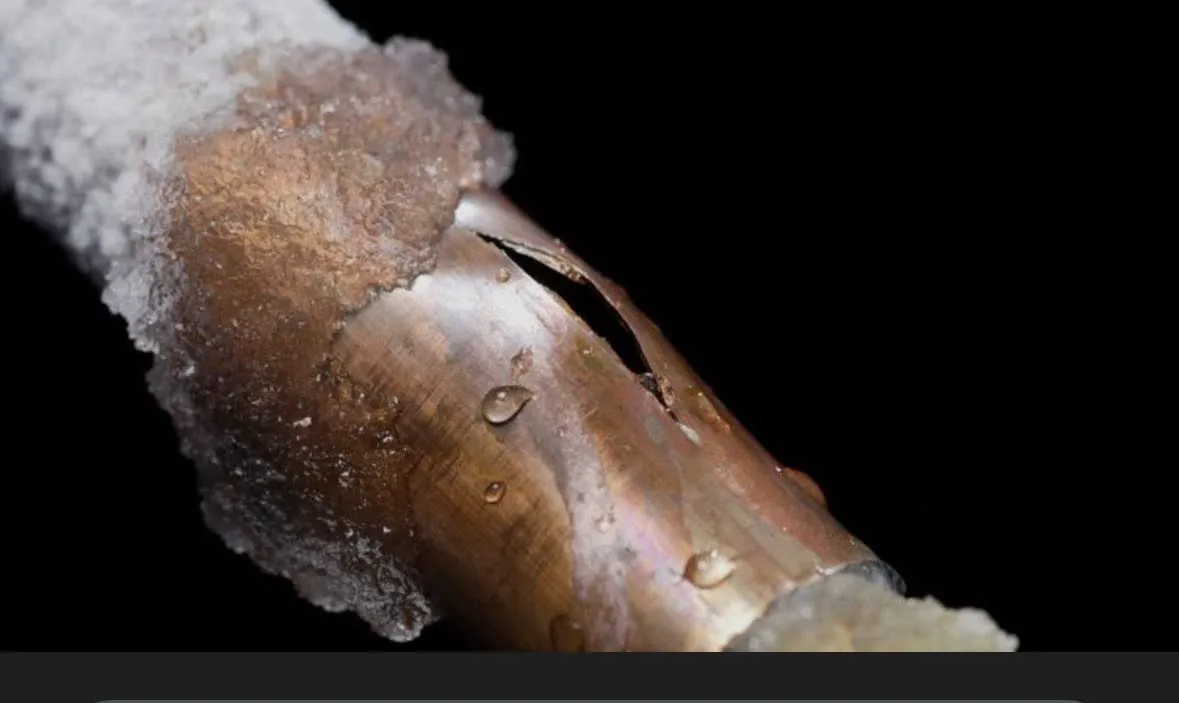 Winter Prep
Water expands 9 percent when it freezes. Here is why Littleton winters are brutal on plumbing and what actually prevents damage.
Read Article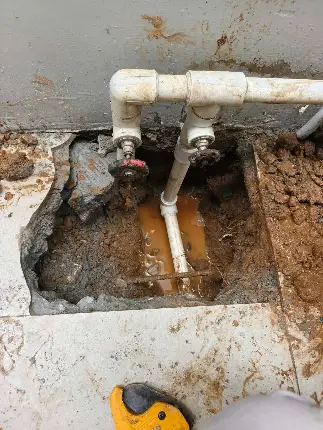 Leak Detection
Not every leak is obvious. Some drip quietly behind walls for weeks. Five signs that something is leaking even if you cannot see water.
Read Article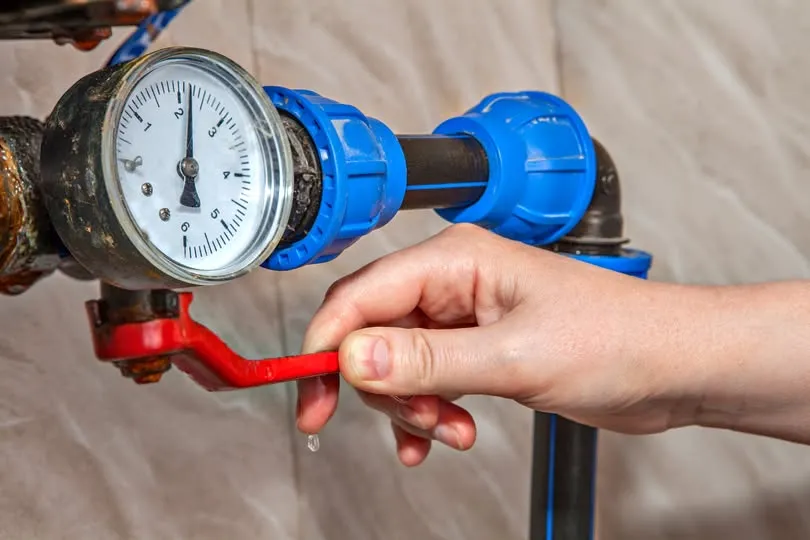 Pressure Problems
Weak shower. Slow sink. Here is what might be causing it, from failing PRVs to buildup in aging pipes, and what high pressure can do too.
Read Article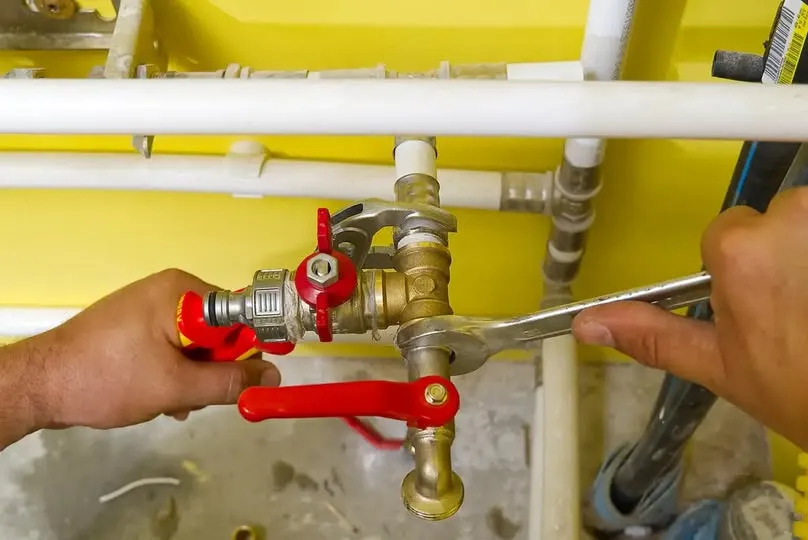 Emergency Response
Panic is not a plan. Minute by minute guide to limit damage, protect your home, and get help on the way.
Read ArticleA pipe just burst. Water is spraying. Your first move is not calling a plumber. Your first move is shutting the main water off at your house.
Every second counts. A standard half inch pipe pushes out around 6 gallons per minute at normal pressure. That is 360 gallons in an hour. Enough to destroy a basement, a ceiling, or an entire first floor.
Here is how to find and shut your main valve fast.
In most Littleton homes, the main shutoff is in one of these spots:
Older Downtown and Sterne Park homes almost always have the valve in the basement near the front of the house. Newer builds in Columbine Hills and Columbine Knolls sometimes tuck it near the water heater or in a utility closet.
Two common types:
If the valve will not budge or the handle breaks off, call us immediately.
Then call us. We handle the rest.
Most Littleton homeowners have no idea where their main valve is. They find out at 2 am during a flood.
Walk your basement or crawl space right now. Find the valve. Make sure the handle turns. Teach everyone in the house where it is.
Our emergency water shut off service handles stuck valves and broken valves any time you need help. Call (720) 555-0187.
Every winter in Littleton, pipes burst. Every single winter. The Front Range climate is brutal on plumbing and most homeowners do not realize what their house is up against until it is too late.
Here is why it happens and what actually prevents it.
Water expands by about 9 percent when it freezes. If that water is sitting inside a pipe with nowhere to go, the pressure builds until the pipe splits.
The split often happens upstream of the actual ice blockage, not at the ice itself. That is why a frozen pipe can look fine and then burst somewhere else as it thaws.
Front Range weather makes this worse. We get overnight temperatures in the teens followed by daytime highs in the 40s or 50s. That cycle happens dozens of times each winter and every cycle stresses your plumbing.
Older homes in Downtown Littleton and Sterne Park are especially vulnerable because insulation standards in the 1950s were minimal.
Before winter hits:
During cold snaps:
If you suspect a pipe is frozen:
Shut the main water off. Turn off the water heater. Call us.
Our burst pipe replacement service handles frozen pipe damage all winter long. Call (720) 555-0187 any time.
Shower feels weak. Sink takes forever to fill. Garden hose barely sprays. If your water pressure is dropping, something in your plumbing is telling you to pay attention.
Here is what might be going on.
A failing or stuck PRV. The pressure reducing valve where city water enters your house controls incoming pressure. If it fails, pressure can drop to a trickle or spike dangerously high. Most Littleton PRVs last 10 to 15 years. Many homes are running PRVs that are decades past their rated life.
Buildup inside aging pipes. Hard water in Littleton deposits minerals inside copper and galvanized pipe over decades. The interior narrows until flow drops noticeably. Common in older Downtown and Sterne Park homes.
A hidden leak in the main supply line. If the buried line between your meter and your house is leaking, pressure drops at every fixture. You may also see wet spots in the yard or an unexplained jump in the water bill.
A partially closed valve. Sometimes a valve got bumped or was never fully opened after past plumbing work. The fix is free if that is what it is.
Clogged aerator or showerhead. Mineral buildup on the small screen at the end of a faucet or inside a showerhead chokes flow. Unscrew and clean or replace.
Partially closed fixture shutoff. The small valve under the sink or behind the toilet may be partially closed.
Clogged cartridge inside the faucet. Older faucets build up sediment inside the cartridge that restricts flow.
Pressure above 80 PSI damages your plumbing quietly. Water heaters fail years early. Fixtures wear out. Pipe joints loosen. Toilets run constantly.
Most homeowners never test their pressure and have no idea it is dangerously high. We find 95 to 110 PSI readings all the time in Littleton homes, especially in Downtown and lower elevation areas.
Guessing wastes time. Testing gives you the real answer.
Our water pressure testing service uses proper gauges to measure static and flow pressure at multiple fixtures. We check the PRV, the expansion tank, and the whole system. You get real numbers and honest options.
Call (720) 555-0187 to schedule a pressure test.
A pipe just burst. Water is everywhere. Panic is not a plan.
Here is what to do in the first 10 minutes to limit damage and get help on the way.
Go to your main shutoff valve. Turn it clockwise (gate valve) or 90 degrees (ball valve) until it stops.
If you do not know where it is, check:
If you cannot find it or it will not turn, call (720) 555-0187 immediately and we will walk you through it.
If you killed the water supply, kill the water heater too. The heating element will burn out dry in minutes.
Open the lowest faucet in the house (usually basement or lowest level). Then open an upstairs faucet to let air in. Water in the lines will drain down and out, which stops the leak from continuing to flow.
Dial (720) 555-0187. Tell us where you are, what you see, and whether you got the water off. We will give you an honest response time and start a truck toward you.
Take photos. Video the damage. Capture the leak location if visible. Insurance adjusters need this and memory is not reliable once cleanup starts.
Patching a burst pipe without proper tools makes the repair harder and more expensive. Wait for us.
Fast action in the first 10 minutes often saves thousands of dollars in restoration later.
Water damage compounds every minute. Drywall absorbs it. Wood framing swells. Mold starts within 48 hours. Insurance claims get complicated the longer the damage sits.
Our burst pipe replacement service handles emergencies 24/7 across every Littleton neighborhood. Call (720) 555-0187 any time.
Burst pipe. Hidden leak. Pressure problem. Frozen line in the middle of January. Whatever is going on with your plumbing, we are the local Littleton crew that answers the phone. 24/7. Weekends. Holidays. Any time. Local hands. Honest work. Fast response.